Is Your Nut Butter Hurting You?

From eNewsletter 10/5/2026
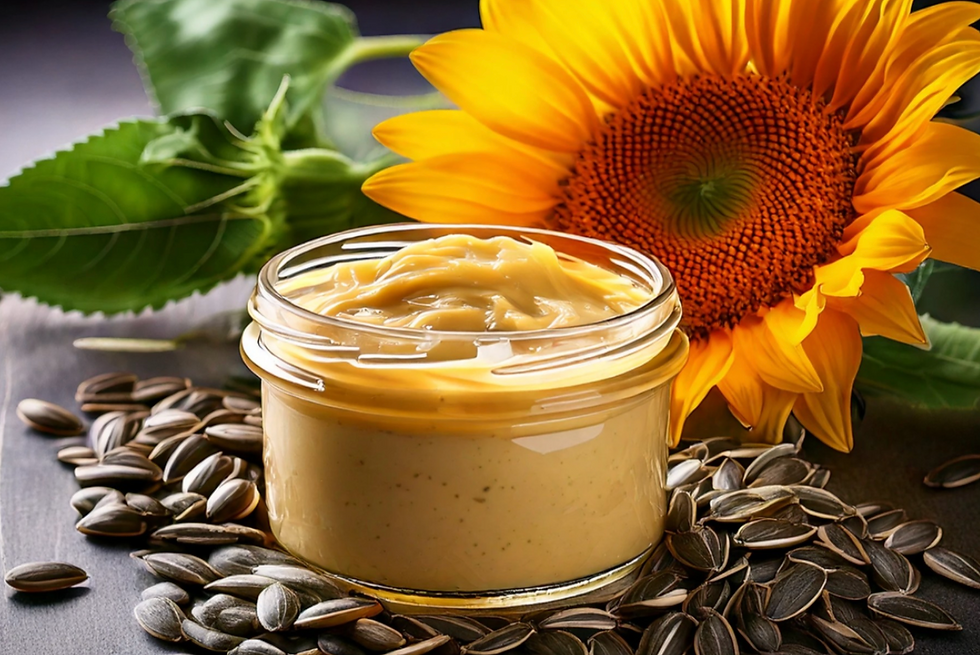
A longtime reader wrote in with a worry some of you may share. She's been eating SunButter brand sunflower seed butter for years, recently switched to the no-sugar version, loves it on gluten-free crisps, and then started reading about the dangers of linoleic acid. Now she's wondering whether she's quietly done herself damage, going through one jar every two months, for years.
A 16-ounce jar of SunButter spread over 60 days works out to about half a tablespoon a day. Sunflower butter is roughly 20 to 25 percent linoleic acid by weight, which means her daily intake from that jar is somewhere between one and a half and two grams. For comparison: your body needs about two to four grams a day just to avoid a deficiency, the official adequate intake for adult women is 11 to 12 grams, and the average American eats 15 to 17 grams. Thus, SunButter is contributing roughly a tenth of a typical person's linoleic acid, so it is not the problem. If linoleic acid is worth worrying about at all, the other ninety percent is where it's coming from: salad dressing, mayonnaise, packaged snacks, baked goods, and restaurant fry oil.
There's a second piece of good news hiding on the SunButter label. Most sunflower grown in the United States is a mid-oleic variety, bred decades ago to be lower in linoleic acid and higher in oleic acid - the same fat that makes olive oil olive oil. If you look on the label, SunButter lists more monounsaturated fat than polyunsaturated. She's already eating the better version without even knowing it.
Regarding the dangers of linoleic acid, the devil is in the details. The studies that found higher mortality were in people fed large amounts of refined, industrially processed safflower oil and margarine in place of saturated fat. Hence, a jar of ground sunflower seeds and a fryer full of repeatedly heated soybean oil are simply not the same exposure, even though they share a fatty acid.
She also asked how to know what's in a jar, and whether other butters are safer. Every nut and seed butter contains linoleic acid - it's in all plant fats, and there's no such thing as a linoleic-acid-free option. On the nutrition panel label, the "polyunsaturated fat" line is essentially the linoleic acid number for nut butters, with walnut being the one exception (part of its polyunsaturated fat is the omega-3 kind). If that line is missing, it is because the FDA only requires total and saturated fat, so the rest is voluntary. The best nut butters contain the ingredients nuts and salt (some don't even have salt), and that's it.
Sunflower seeds happen to be one of the richest food sources of vitamin E on earth. A single serving supplies about half a day's worth, and that antioxidant travels with the fat and protects it from oxidation. That's encompasses the whole argument for whole foods over refined oils.
As for nut butters from least to most linoleic acid per two tablespoons: macadamia (under half a gram), cashew and hazelnut (about two and a half), almond, pistachio, and peanut (about four), pecan (six and a half), sunflower and tahini (six to eight), and walnut (twelve grams).
A few other tidbits. Refrigerate nut butters after opening. It's always a good choice to consume nut butters with no added sugar. If you want to genuinely lower your linoleic acid intake, look at what oil is in your pan, what's in your salad dressing and mayonnaise, how often you eat restaurant fried food, and what's in the crackers you're spreading the nut butter on.
To read the rest of today's issue, please go to this page.


Comments